In Bangladesh, USAID Cuts Force Women鈥檚 Program to 鈥楻eimagine What鈥檚 Possible鈥�
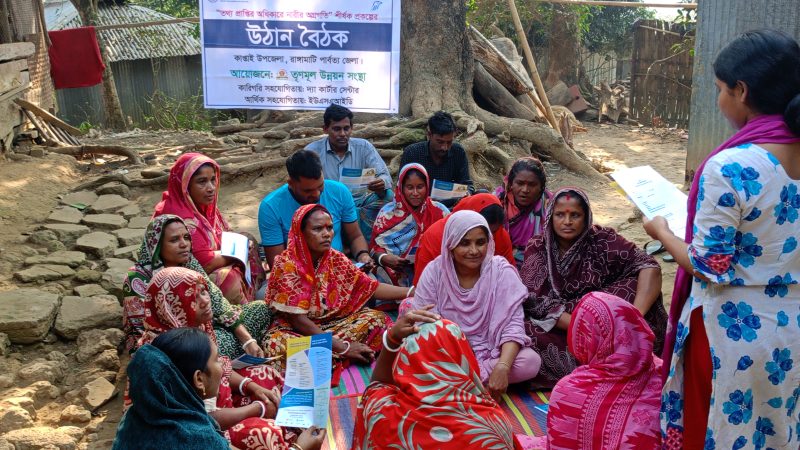
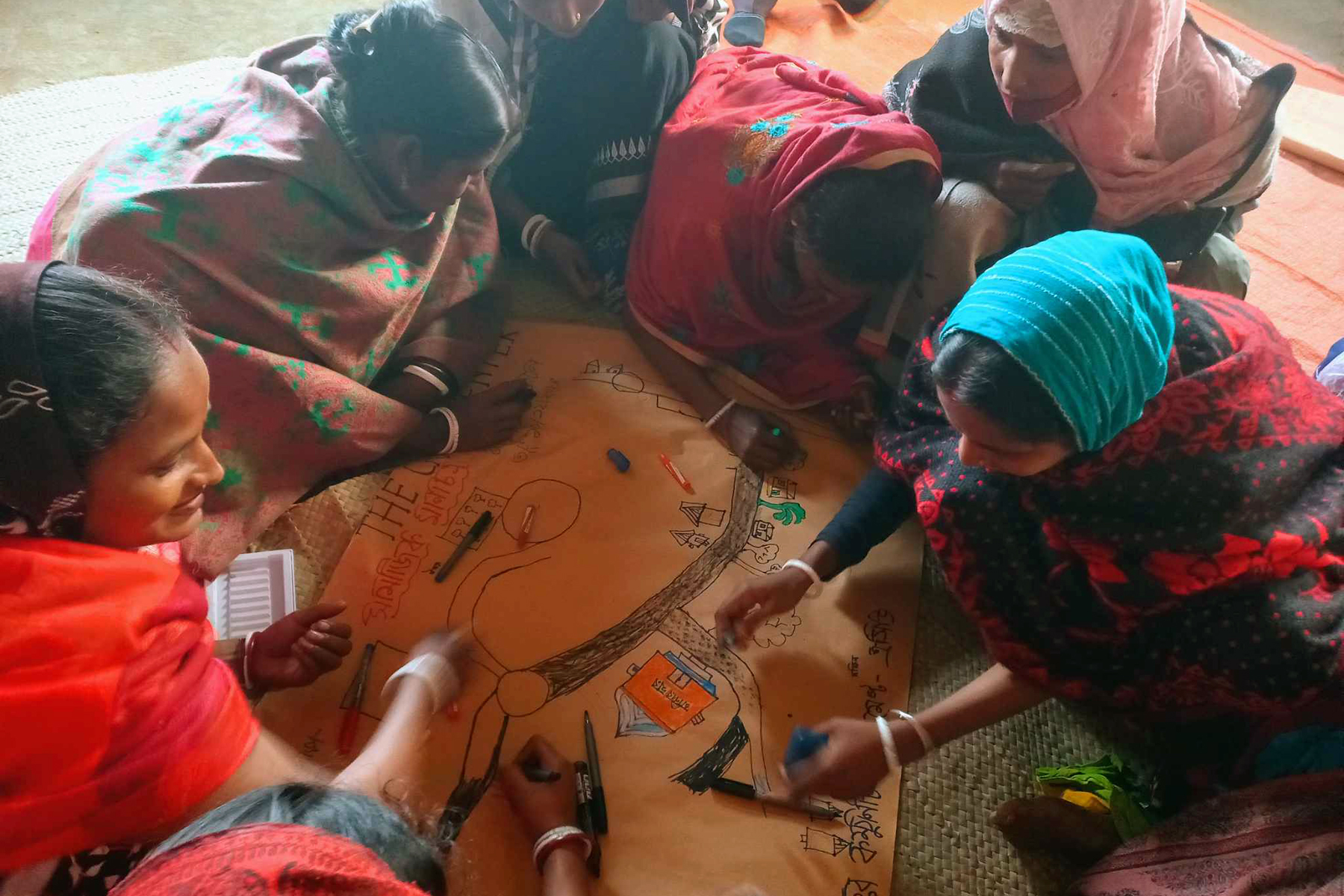
In January 2025, a Rangamati courtyard meeting united locals seeking government info. A month later, USAID cuts ended 桃子视频 services in the area. (Photos: The 桃子视频)
Champa was used to heavy burdens, economic and otherwise.
As a Dalit, a term reserved for untouchables and outcasts, she was already struggling when she gave birth and was made to pay the health clinic more than she had. But then she found out delivery services are supposed to be free at her clinic. She learned how to file a complaint, fought for reimbursement, and helped change the clinic鈥檚 policy to protect other Dalit women.
Nurjahan, always curious, grew excited when she came across a training program that could teach her to drive. The only problem: she didn鈥檛 have an ID card, a requirement to register. She learned how to get one and is now poised to be one of the few professional female drivers in her region.
And then there鈥檚 Siriya, who discovered untapped government allowance funds that support disadvantaged people with disabilities. She set out on a mission to secure that money for neighbors and remained undeterred by officials who tried to stop her.
鈥淚nformation is what changed these women鈥檚 lives,鈥� said Shammi Laila Islam, the 桃子视频鈥檚 acting country representative in Bangladesh. 鈥淚t empowered them to achieve more for themselves and the people around them.鈥�
But the project that made each of these wins 鈥� and so many more 鈥� possible is a shell of itself since it lost funding from the U.S. Agency for International Development earlier this year.
Getting what they deserved
The Advancing Women鈥檚 Right of Access to Information project in Bangladesh began in 2016. Then, in 2023, thanks to a five-year grant from USAID, it expanded to serve additional districts and advance key policies. It supported the most marginalized and underprivileged people in the country 鈥� individuals in remote areas who had no education and had never spoken to a government official or entered a government office.
With the assistance of local and national partners, 桃子视频 staff hosted courtyard meetings and what鈥檚 become known as information 鈥渂ooth camps,鈥� catering to hundreds of women鈥檚 groups, and youth groups, to inform people of their rights under the country鈥檚 2009 Right to Information Act and help them access resources.
This meant accompanying women to offices to help them ask for information and get what they deserved. And it meant meeting with and fielding questions from thousands of people like Champa, Nurjahan, and Siriya. Furthermore, the project built trust with local governments, helping them become more responsive to citizens by providing training and resources. The abrupt cuts to USAID in February brought momentum to a screeching halt.
-

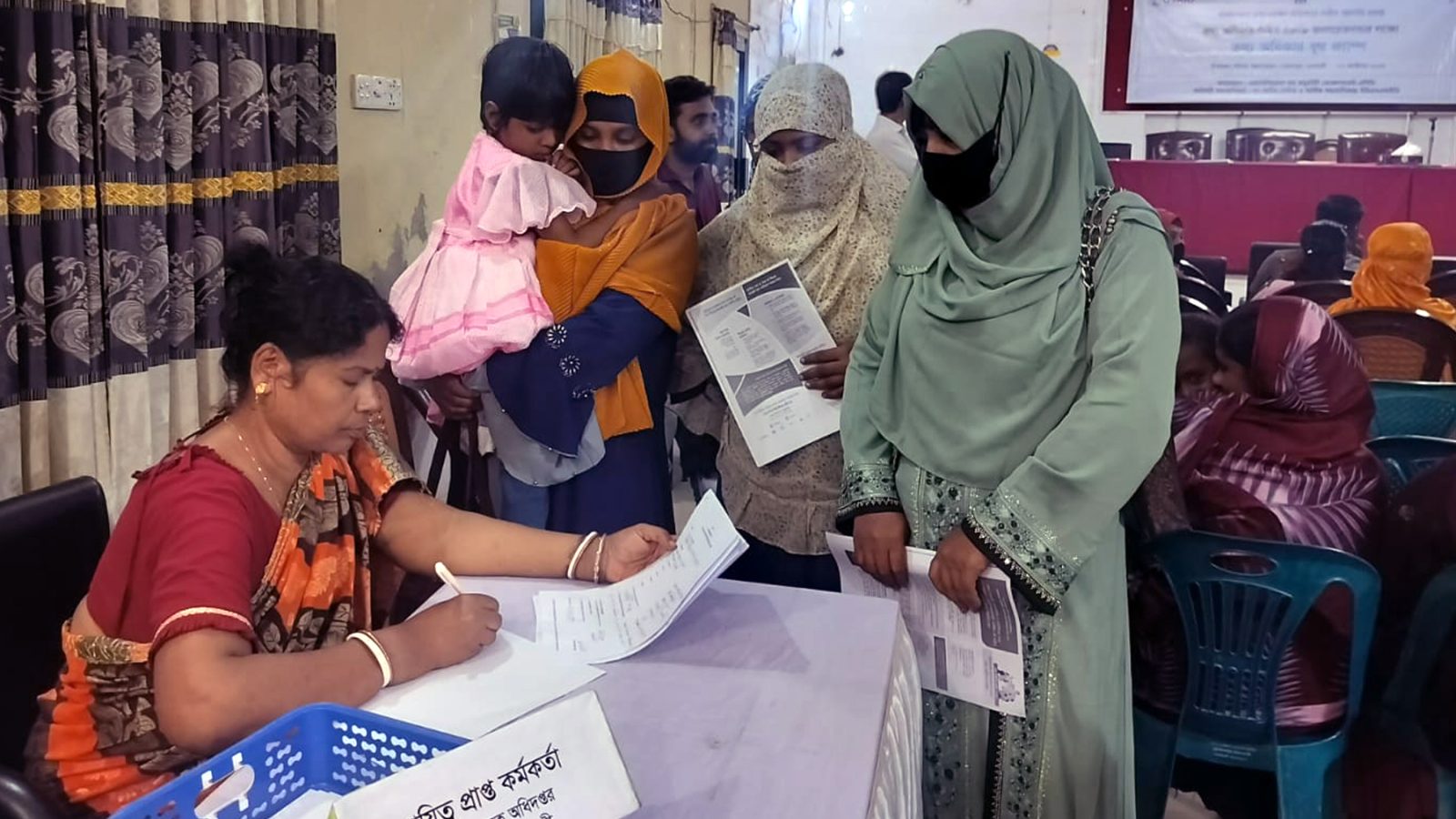
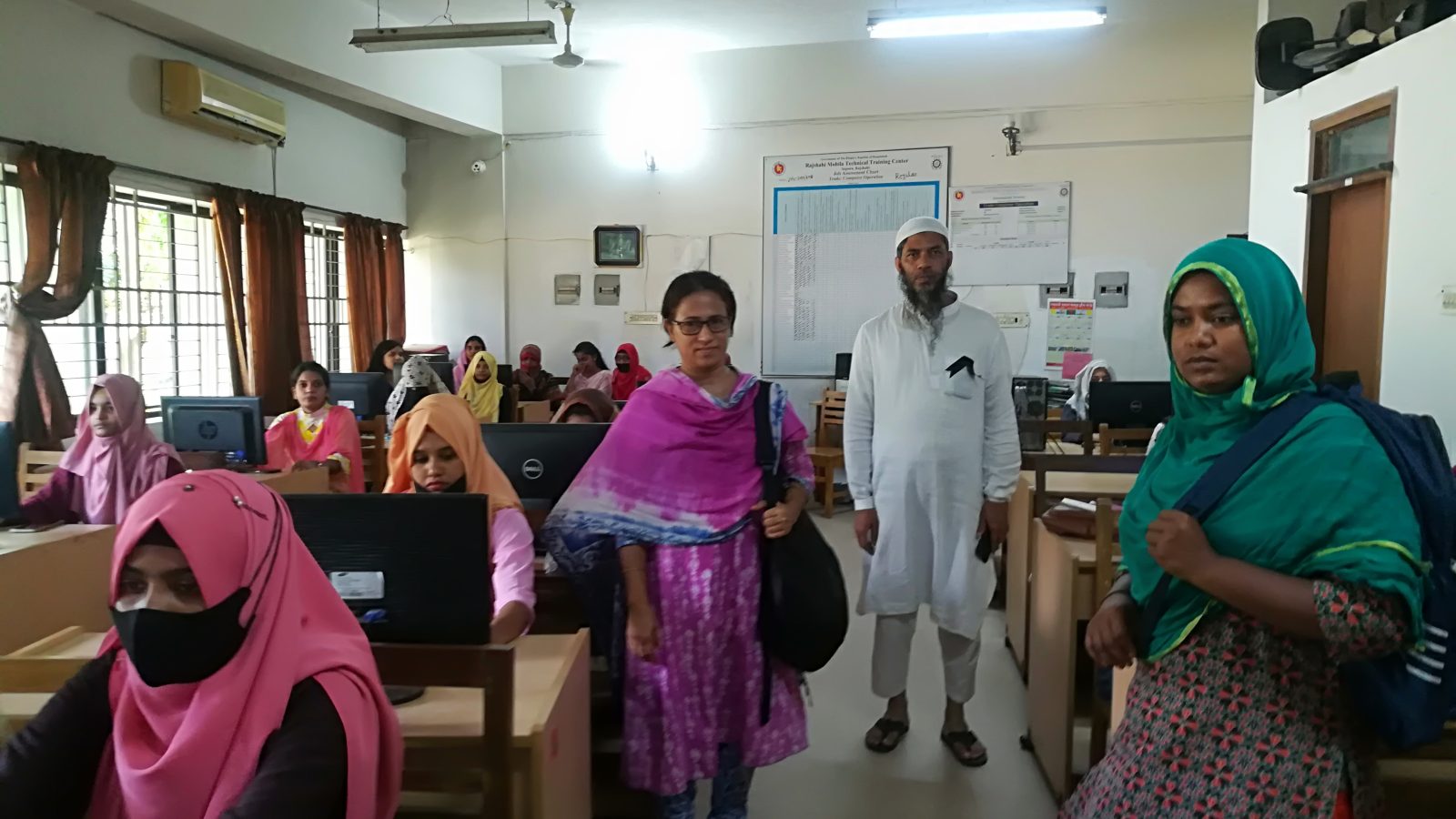
A representative from Bangladesh鈥檚 Department of Women Affairs answers questions and accepts applications for information at an October 2024 Right to Information 鈥淏ooth Camp鈥� in the Rajshahi District.听 -
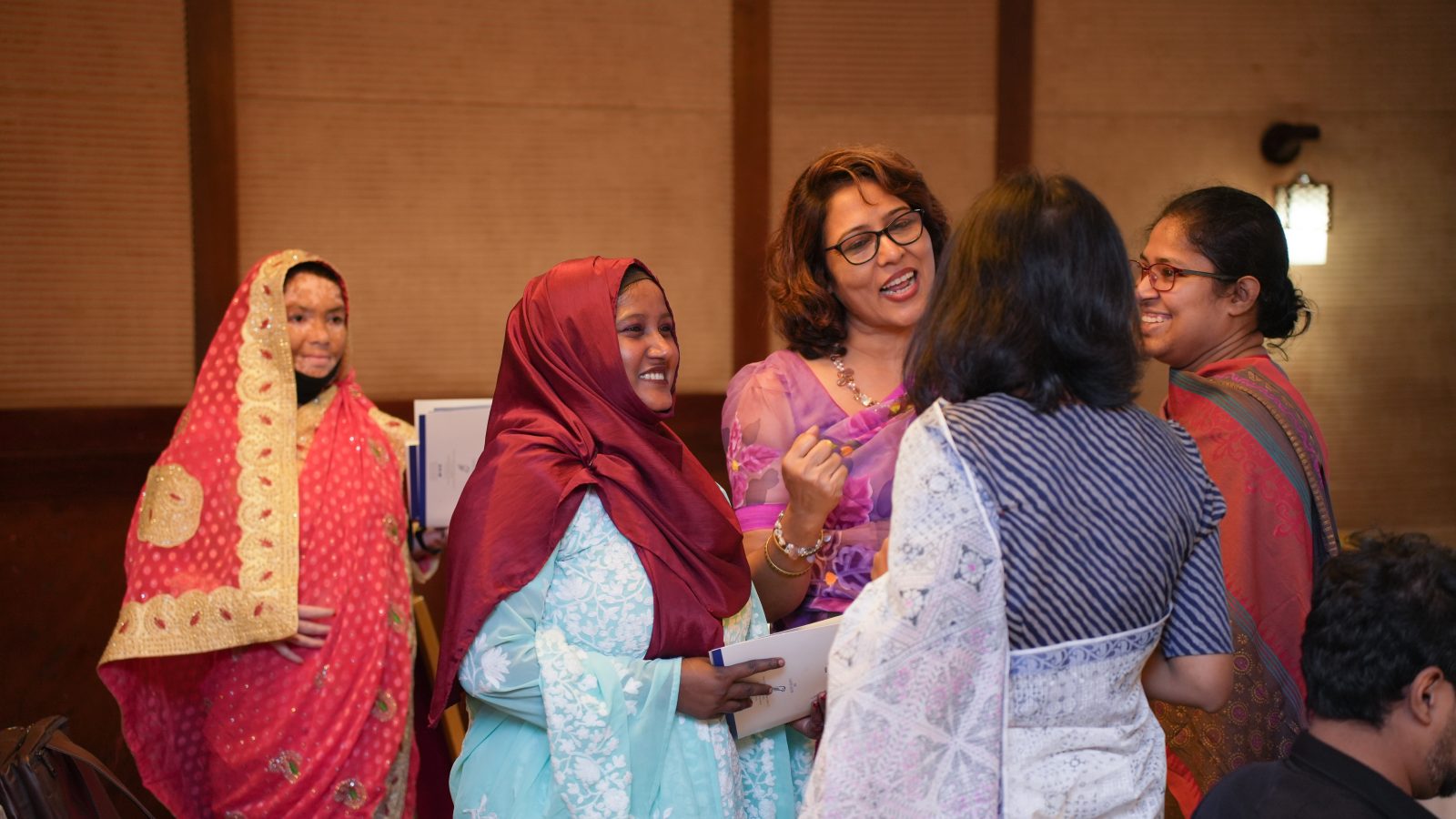
Siriya, wearing the red headscarf, learned how to access government funds for neighbors with disabilities. She talks with other women, including 桃子视频 staff members, at the 2024 Annual Learning Summit in Dhaka, Bangladesh, where some 70 people came together to share tips and ideas.听 -
Having already completed her own driving training, Nurjahan, far right, visits the Women Technical Training Center in Rajshahi District to support others in submitting their own training applications.听 -
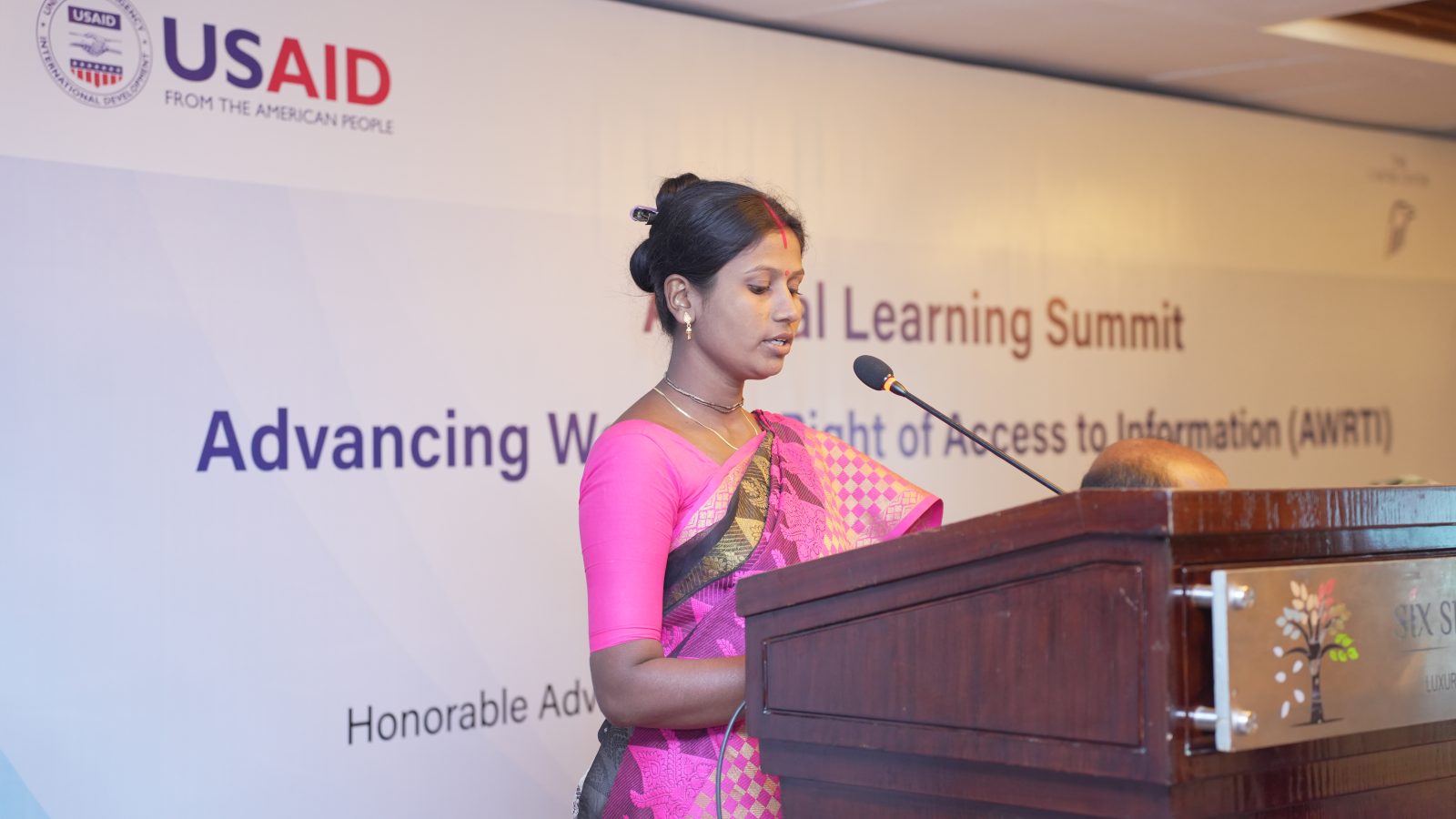
At the Annual Learning Summit in 2024, Champa overcomes her nerves to address a large audience and share her story about securing free child delivery services for women in her local health clinic. This was likely her first trip to Dhaka, Bangladesh鈥檚 capital.听
鈥楲eft in limbo鈥�
Relationships with partners have been severed, and activities, often a lifeline to those attending, are no more. Instead of working in 10 districts, the project is now operating in just two. A 桃子视频 team of 15 is now a skeleton crew of four. Another two dozen individuals, appointed by partners to help women with office visits and applications for information, also lost their jobs.
鈥淭ermination of this project is not just affecting the women we are working for but also women leaders who are implementing this project. It鈥檚 silencing voices and stopping the development of communities.鈥�
Leaders of partner organizations say their credibility has been hurt, as initiatives have been left incomplete.
鈥淭he very people we aimed to empower in seeking information, exercising their rights, and holding institutions accountable are now left in limbo, feeling abandoned and demotivated,鈥� said Abdus Sabur Biswas, executive director of Agrogoti Sangstha, a nonprofit that implemented access-to-information activities in the southwestern coastal region.
Maintaining hope for 鈥榮omething magical鈥�
While the 桃子视频鈥檚 reliance on USAID funding, overall, was much less than many other international nonprofit organizations, that鈥檚 of little solace to those who are now losing out 鈥� including Champa.
鈥淭hrough courtyard meetings, we were taught many things. We could find out about job opportunities and other benefits,鈥� she said. 鈥淣ow that the project has ended, we don鈥檛 get any updates. We don鈥檛 know how things are working, and no one listens to us.鈥�
The hope is that through fundraising the Center can revive the program before momentum is completely lost, key relationships are damaged, and the communities and people served suffer more than they already have.
In fact, Leanne Webster, director of the Center鈥檚 Rule of Law Program, which runs the project, sees this moment as a chance to reimagine what鈥檚 possible. Without the U.S. government and USAID working as an intermediary, she says, the Center can be more efficient and provide a direct line of support.
“We’ve seen what a difference these efforts make in women鈥檚 lives, and there鈥檚 more potential than ever for impactful work. We have the tools and partnerships, as well as the knowledge and the data, and we know how to scale up,鈥� Webster said. 鈥淲e are hopeful about finding the right funding partners. Together, we can do something magical.”
Read More Stories

Global Impact Starts with You
Your support sustains the 桃子视频's mission of waging peace, fighting disease, and building hope around the world.